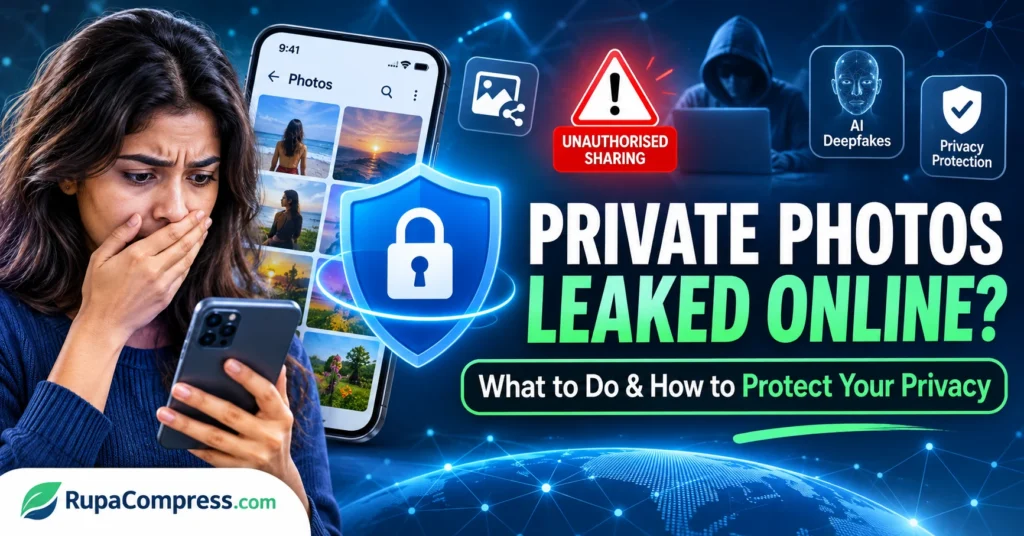
The internet has made it easier than ever to capture, store, and share photographs and videos. Social media platforms, messaging applications, cloud storage services, and photo-sharing websites allow people to communicate and exchange personal memories within seconds. However, these digital conveniences also create serious privacy risks when someone shares personal photographs without the owner’s permission.
Private photographs can sometimes be distributed by former partners, acquaintances, strangers, or people attempting to threaten and manipulate others. In some situations, individuals may also use artificial intelligence (AI) to create fake or manipulated images that appear to show someone in situations that never happened. These incidents can cause emotional distress, reputational damage, harassment, and serious personal safety concerns.
The unauthorized sharing of intimate photographs is commonly known as image-based abuse or non-consensual intimate image (NCII) abuse. Importantly, a person does not have to create an image themselves to become a victim. Someone else’s decision to distribute, manipulate, or threaten to publish private images can create significant harm.
Understanding how to respond, where to report harmful content, and which privacy tools are available can help individuals take practical steps to protect themselves. This guide explains what image-based abuse means, what to do when private photographs are shared online, how AI-generated deepfakes create additional risks, and how to strengthen your digital privacy.
What Is Image-Based Abuse?
Image-based abuse occurs when someone creates, distributes, or threatens to distribute an intimate photograph or video of another person without their consent. It can involve genuine photographs, digitally manipulated images, or entirely AI-generated content that depicts a real individual.
Many people associate this type of abuse with revenge pornography, but the problem is much broader. An individual may share private photographs to embarrass someone, damage their reputation, control a former partner, demand money, or pressure someone into providing additional personal content.
Common examples of image-based abuse include:
- Sharing intimate photographs without permission.
- Publishing private images on social media or public websites.
- Sending personal photographs to other people without consent.
- Creating manipulated intimate images using artificial intelligence.
- Threatening to publish private photographs to demand money.
- Editing someone’s face into inappropriate or misleading photographs.
- Distributing private videos through messaging groups or online communities.
It is also important to understand that giving someone permission to receive or view a photograph does not automatically give them permission to publish or distribute it. Consent must be respected, and sharing a private image with one person does not mean that it can be shared publicly.
How AI Deepfakes Create New Privacy Risks
Artificial intelligence has introduced additional challenges for digital privacy. Modern AI image-generation and editing technologies can manipulate photographs, replace faces, and create realistic-looking images that may be difficult for ordinary viewers to distinguish from genuine photographs.
Deepfake technology can be misused to create misleading content featuring real individuals without their knowledge or permission. For example, someone might use a publicly available photograph to generate a fabricated intimate image or alter an existing photograph to create a false impression.
These manipulated images can spread rapidly through social media, discussion forums, messaging applications, and other online platforms. Even after an image is identified as fake, people may continue sharing it, making the damage difficult to reverse.
AI-generated image abuse can create several privacy concerns:
- Reputation damage: Fake images may create misleading impressions about someone’s personal or professional life.
- Online harassment: Manipulated photographs can be used to intimidate, embarrass, or target individuals.
- Financial extortion: Criminals may threaten to publish fabricated or genuine private images unless victims meet their demands.
- Misinformation: Viewers may believe that manipulated photographs show real events.
- Emotional distress: Victims may experience anxiety, fear, embarrassment, and difficulties trusting others.
A particularly important point is that an image does not need to be authentic to cause harm. AI-generated intimate images and certain digitally altered photographs can also fall within legal protections against non-consensual intimate image abuse.
What to Do If Someone Shares Your Private Photos Without Permission
Discovering that someone has shared your private photographs without permission can be frightening and overwhelming. However, taking calm and practical steps can help you report the content, protect your accounts, and reduce further distribution.
1. Stay Calm and Avoid Responding to Threats
Your first reaction may be to contact the person responsible, argue with them, or demand that they delete the photographs. Although this response is understandable, avoid making decisions under pressure.
If someone is threatening to publish your photographs, do not send additional images, personal information, passwords, or money. Paying an individual who is blackmailing you does not guarantee that they will delete the existing content. They may continue making demands.
Instead, stop unnecessary communication, avoid engaging in arguments, and seek support from someone you trust. If you believe you are in immediate danger, contact the appropriate local emergency services or law enforcement authorities.
2. Preserve Relevant Evidence Safely
Before reporting the incident, record information that may help identify the content and the person responsible.
Useful information may include:
- The website or social media platform where the content appeared.
- The URL of the original post or profile.
- The username or account associated with the publication.
- The date and approximate time you discovered the content.
- Messages containing threats, blackmail, or demands.
- Confirmation numbers or emails received after submitting reports.
You can preserve relevant messages and URLs without downloading or forwarding intimate photographs. Never redistribute the harmful content as a way of collecting evidence. If the content involves a minor, do not download, save, or forward the image; seek guidance from the appropriate child-protection authorities.
Keep the information in a secure location and share it only with trusted professionals or authorities when necessary.
3. Report the Content to the Platform
Most major social media websites and content-sharing platforms provide reporting options for privacy violations, harassment, and non-consensual intimate images.
Visit the platform where the photograph was published and look for its reporting or safety options. Depending on the service, you may find these options through a three-dot menu, a report button, or the platform’s help centre.
When submitting a report, explain that the image was shared without the person’s consent. Select the most relevant category, such as non-consensual intimate imagery, privacy violation, harassment, or manipulated intimate content.
If the platform provides a dedicated removal request form, use that process rather than relying only on a general content report. Keep a record of your submission and any confirmation number.
If you cannot access the original post, look for the platform’s privacy or safety support page to find alternative reporting methods.
4. Request Removal of the Private Images
Reporting harmful content and requesting its removal are important steps in reducing further exposure.
When submitting a removal request, provide the information requested by the platform, such as the content URL, account details, and a description of why the image violates your privacy.
Some platforms may request additional information to verify the report. Follow their official instructions and avoid sending sensitive personal information through unofficial email addresses or suspicious websites.
You can also search for copies of the content on other websites. However, remember that removing an original post does not automatically remove every copy that may have been distributed elsewhere.
If the photograph appears in search engine results, you may also be able to request the removal of the search listing. This can help reduce visibility, although removing a search result does not necessarily delete the original photograph from the website hosting it.
5. Seek Trusted Support
Experiencing image-based abuse can affect someone’s confidence, relationships, and emotional well-being. It is important to remember that the responsibility belongs to the person who shared or misused the image without permission.
Speak with a trusted friend, family member, counsellor, or appropriate support organisation. You do not have to manage the situation alone.
If someone is using private photographs to threaten, blackmail, or control you, consider reporting the incident to law enforcement. Keep relevant communications and account information available where it is safe and lawful to do so.
If the person affected is under 18, involve a trusted adult or appropriate child-protection organisation. Do not attempt to investigate or circulate the content yourself.
Understanding the TAKE IT DOWN Act
The TAKE IT DOWN Act is a United States federal law designed to address the non-consensual publication of intimate images, including certain digitally altered and AI-generated images.
The law was signed on May 19, 2025. Its platform notice-and-removal requirements became enforceable on May 19, 2026, under the enforcement responsibilities of the Federal Trade Commission (FTC).
Under the Act, covered online platforms must provide a clear process that allows individuals to request the removal of qualifying intimate images shared without their consent. When a covered platform receives a valid removal request, it must remove the reported content and known identical copies within 48 hours.
The law covers qualifying authentic intimate photographs and videos, as well as certain digital forgeries, including images created or altered using artificial intelligence.
This is an important development because victims can face serious difficulties when harmful photographs are distributed across multiple online services.
However, it is important to understand that the TAKE IT DOWN Act is a United States federal law. It does not automatically provide the same legal protections or reporting procedures in every country. Individuals outside the United States should also check the privacy, cybercrime, and image-based abuse laws applicable in their own location.
For official information, visit the Federal Trade Commission’s TAKE IT DOWN Act resources.
What If a Platform Does Not Remove the Images Within 48 Hours?
If a covered platform fails to remove qualifying intimate images after receiving a valid request, the Federal Trade Commission provides a reporting process.
Individuals can visit TakeItDown.ftc.gov to report platforms that fail to provide a required removal process or do not comply with the 48-hour removal requirement.
The report may request information about the platform, the location of the content, and the steps taken to request removal.
This reporting process is intended to help the FTC investigate and enforce compliance with the law. It is important to understand that the FTC reporting service does not directly remove photographs from websites. The platform hosting the content is responsible for processing the removal request.
For the latest reporting instructions, use the official FTC website rather than relying on third-party services.
How StopNCII.org Can Help Prevent the Spread of Private Images
StopNCII.org is a free online tool designed to help adults affected by non-consensual intimate image abuse.
The service uses a technology called image hashing to create a digital fingerprint of a selected photograph or video. Participating platforms can use this fingerprint to identify matching content and help prevent the image from being shared through their services.
One important privacy feature is that the original image or video stays on the user’s device during the hashing process. StopNCII.org shares the digital fingerprint with participating companies rather than uploading the original photograph to its system.
The process generally works as follows:
- Visit the official StopNCII.org website.
- Review the eligibility requirements and available guidance.
- Select the eligible intimate image or video on your device.
- Allow the tool to generate its digital fingerprint.
- Follow the instructions to create a case and securely record your case details.
- Participating platforms can check for matching content within their services.
However, StopNCII.org does not remove photographs from the entire internet. Its protection is limited to participating platforms and their applicable policies.
The service is intended for eligible adults. People who do not meet its eligibility requirements, including situations involving images of minors, should use the appropriate child-protection resources instead.
How to Protect Your Digital Privacy
Preventing image-based abuse is not always possible because individuals cannot control every decision made by other people. However, adopting stronger digital privacy practices can reduce exposure to personal information and make online accounts more secure.
Review Social Media Privacy Settings
Check the privacy settings of your social media accounts regularly. Consider limiting who can view your photographs, personal information, friends list, and posts.
Many platforms allow users to restrict their profiles to approved followers or friends. Although these settings cannot guarantee complete privacy, they can reduce unnecessary public exposure.
Use Strong and Unique Passwords
Weak or reused passwords can make online accounts easier to compromise. Create unique passwords for important services, especially email, cloud storage, and social media accounts.
A password manager can help you generate and securely store strong passwords without having to remember each one individually.
Enable Two-Factor Authentication
Two-factor authentication (2FA) adds an additional verification step when someone attempts to access your account.
Depending on the service, this may involve an authentication application, security key, or another verification method. Enabling 2FA can make it more difficult for unauthorised individuals to access personal photographs stored in online accounts.
Be Careful When Sharing Personal Photographs
Before sending a private photograph, consider who will receive it and whether you trust the person to respect your privacy.
Avoid sharing sensitive images through unknown accounts, suspicious applications, or unsecured communication channels. Remember that once an image reaches another person’s device, you may no longer have control over how it is stored or shared.
Review Application Permissions
Some mobile applications request access to photographs, cameras, microphones, and other personal information.
Review application permissions regularly and disable unnecessary access. Only install applications from trusted sources and check their privacy policies before providing access to sensitive information.
Secure Your Email and Cloud Storage
Email accounts and cloud storage services often contain personal photographs, documents, and account recovery information.
Use unique passwords, enable two-factor authentication, and review connected devices and active sessions. If you notice unfamiliar login activity, change your password and follow the provider’s account-security recommendations.
Can You Completely Remove Private Photos From the Internet?
One of the most common questions victims ask is whether it is possible to remove every copy of a private photograph from the internet.
Unfortunately, complete removal cannot always be guaranteed. A photograph may have been copied, downloaded, reposted, or distributed through multiple websites and private messaging services.
However, taking action can significantly reduce its visibility and further distribution.
Start by reporting the original content to the platform hosting it. Then identify other publicly accessible copies and submit separate removal requests where necessary. If the content appears in search engine results, review the search engine’s personal-content removal procedures.
You can also use services such as StopNCII.org, where eligible, to help prevent matching intimate images from appearing on participating platforms.
Be cautious of websites or individuals promising guaranteed removal for large payments. Some may exploit victims by requesting money, passwords, identity documents, or additional photographs.
Use official platform reporting channels and recognised support organisations whenever possible.
What Parents and Guardians Should Know About Image-Based Abuse
Children and teenagers may also experience image-based abuse, online harassment, impersonation, or threats involving personal photographs.
Parents and guardians should encourage open communication about online privacy and digital safety. Young people should understand that they can ask for help if someone requests private photographs, threatens to publish an image, or attempts to pressure them through social media.
If a child is affected, respond calmly and avoid blaming them. Do not download, forward, or circulate the intimate content. Contact the appropriate child-protection authorities or specialist reporting organisations.
In the United States, the National Center for Missing & Exploited Children (NCMEC) provides the CyberTipline for reporting suspected online child sexual exploitation.
Parents should also help children review privacy settings, recognise suspicious messages, use strong passwords, and report threatening accounts.
Frequently Asked Questions (FAQs)
1. What should I do if someone shares my private photos without permission?
Report the content to the platform, preserve relevant URLs and threatening messages safely, request removal, and seek support from a trusted person or appropriate authorities. Do not pay blackmailers or send additional images.
2. Can someone share my private photos without my consent?
Sharing an intimate photograph without consent may violate privacy laws, image-based abuse laws, or other applicable legal protections. The exact legal position depends on the country, the type of image, and the circumstances.
3. How long does a platform have to remove intimate images under the TAKE IT DOWN Act?
Covered platforms must remove qualifying intimate images and known identical copies within 48 hours after receiving a valid removal request under the United States TAKE IT DOWN Act.
4. Can AI-generated fake images also be considered image-based abuse?
Yes. Certain AI-generated and digitally manipulated intimate images may qualify as non-consensual intimate imagery. The fact that an image is artificial does not mean it cannot cause harm or receive legal protection.
5. Does StopNCII.org upload my private photographs?
No. StopNCII.org generates a digital fingerprint on your device. The original image or video stays on your device, while the fingerprint is shared with participating platforms.
6. Can I remove private photos from Google Search?
You may be able to request the removal of qualifying personal or intimate images from search results. However, removing a search listing does not necessarily remove the original content from the website hosting it.
7. What should I do if someone threatens to publish my private photographs?
Do not pay the person, send additional images, or provide personal information. Preserve relevant messages and account details safely, stop unnecessary communication, report the threats, and seek trusted support.
8. Is the TAKE IT DOWN Act applicable worldwide?
No. The TAKE IT DOWN Act is a United States federal law. People in other countries should check their local laws and available reporting procedures.
Final Thoughts
Having private photographs shared without permission is a serious violation of personal privacy. The situation can be especially difficult when images are distributed across social media platforms or manipulated using artificial intelligence.
Understanding image-based abuse, recognising online threats, and knowing how to report harmful content can help individuals take practical steps to protect themselves.
Start by using official reporting channels, requesting content removal, securing your online accounts, and seeking help from trusted people or appropriate authorities. Services such as StopNCII.org and the reporting resources provided by the Federal Trade Commission can also help eligible individuals understand their options.
Most importantly, remember that victims are not responsible for another person’s decision to misuse their private photographs. Everyone deserves privacy, dignity, and control over how their personal images are shared online.
Official Resources
- Federal Trade Commission (FTC): https://consumer.ftc.gov/articles/image-based-abuse-what-know-and-do
- TAKE IT DOWN Act Reporting: https://www.takeitdown.ftc.gov/
- StopNCII.org: https://stopncii.org/
- National Center for Missing & Exploited Children (NCMEC): https://www.missingkids.org/
- FBI Internet Crime Reporting: https://www.ic3.gov/
Disclaimer: This article is intended for general educational and online safety purposes only. It does not constitute legal advice. The TAKE IT DOWN Act is a United States federal law, and legal protections, reporting procedures, and available support services vary by country.