Quick Answer: You can start a dropshipping business with little or no upfront inventory investment by finding suppliers who ship products directly to customers. Begin with a focused product niche, use free marketing channels, create a basic online presence and establish a reliable supplier relationship. However, a completely zero-cost business is difficult because payment processing, website hosting, refunds and supplier payments may still require money.
Starting an online business no longer requires purchasing hundreds of products or renting a warehouse. Dropshipping allows entrepreneurs to sell products online while suppliers handle inventory storage, packaging and delivery.
Learning how to start dropshipping with no money can help beginners explore e-commerce without committing to large inventory purchases. This guide explains the business model, supplier selection, payment processing and practical steps to launch a low-budget online store in 2026.
What Is Dropshipping and How Does It Work?
Dropshipping is an e-commerce fulfillment method where an online store sells products without keeping physical inventory.
Instead of purchasing products in bulk, the store owner partners with a supplier who stores the products and ships them directly to customers.
The store owner focuses on product selection, marketing, customer communication and order management.
Understanding the Supplier-to-Customer Fulfillment Process
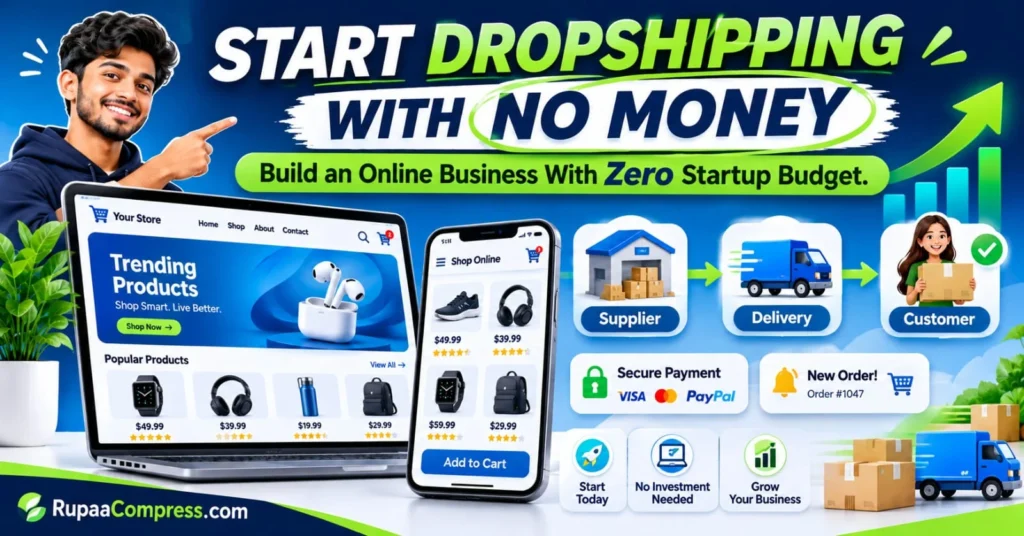
The dropshipping process generally follows five stages.
- Choose a supplier: Find a supplier who offers products suitable for your target audience and supports direct customer delivery.
- List products in your store: Add product descriptions, photographs, prices and availability information to your online store.
- Receive a customer order: A customer visits your website, selects a product and completes the checkout process.
- Forward the order to the supplier: You send the customer’s order information to your supplier and pay the agreed product and fulfillment costs.
- Supplier delivers the product: The supplier packages the product and sends it directly to the customer’s delivery address. You remain responsible for customer communication, tracking and resolving problems.
For example, imagine that a customer purchases a backpack from your online store for $30. Your supplier charges $18 for the product and fulfillment.
Your remaining $12 is not automatically your profit. You must also account for payment processing, advertising, refunds, taxes and other operating expenses.
This is the fundamental difference between traditional retail and dropshipping: you do not need to purchase inventory before selling it, but you still need sufficient cash flow to fulfill orders.
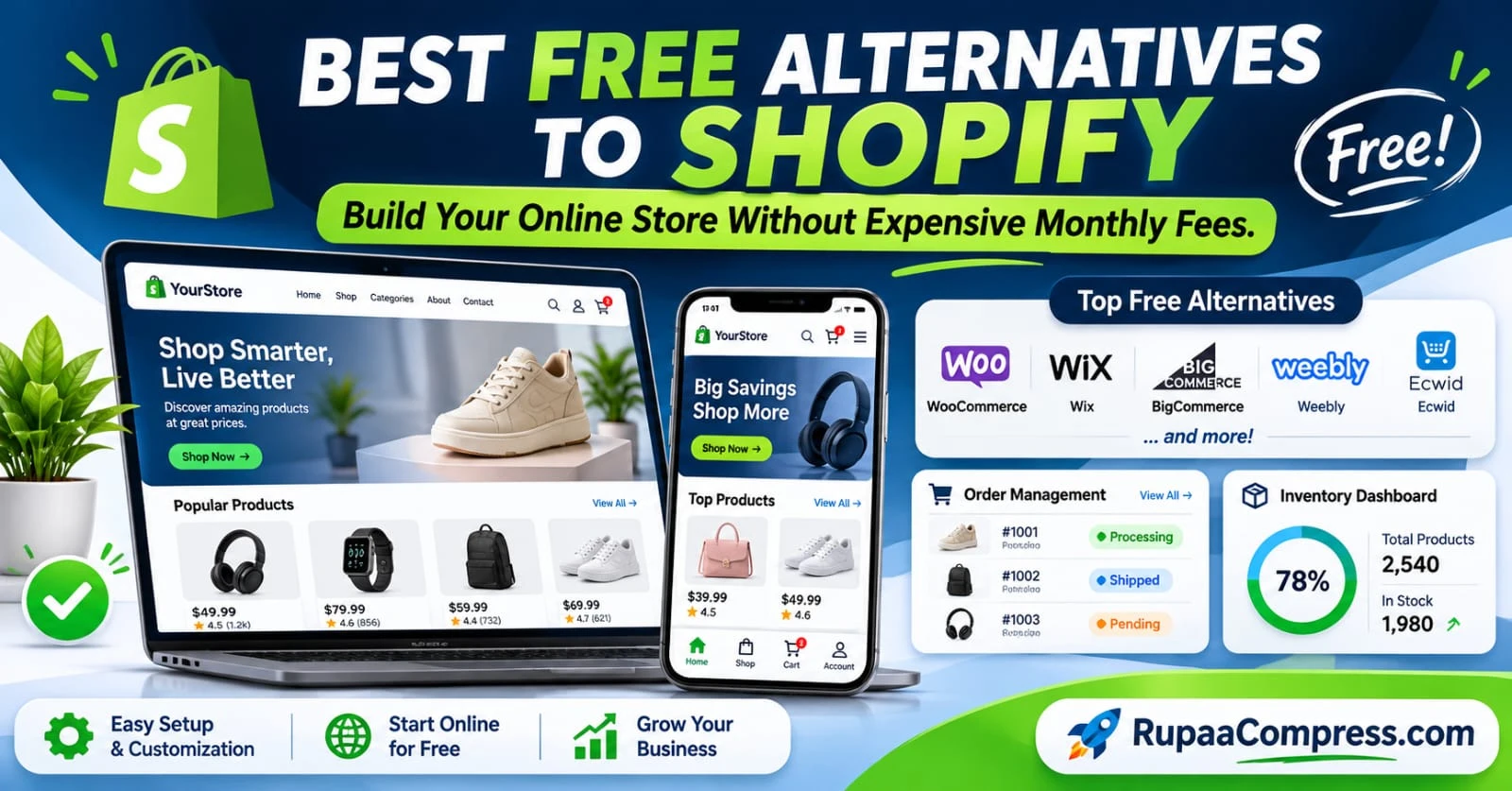
Best Free Alternatives to Shopify
How to Start Dropshipping With No Money: 6 Practical Steps
Starting with a limited budget requires careful planning. Instead of spending money on unnecessary subscriptions and advertising, focus on validating your product idea and building a simple sales process.
Step 1: Choose a Specific Product Niche
Your first task is selecting a product category.
Avoid creating a general store that sells unrelated products to everyone. A focused niche makes it easier to identify your target audience and create relevant marketing content.
Some potential niches include:
- Pet accessories.
- Home organization products.
- Fitness accessories.
- Smartphone accessories.
- Travel accessories.
- Kitchen organization products.
- Eco-friendly everyday products.
Before choosing a niche, research customer demand and competitor offerings.
Search for related products on Google, TikTok, Instagram and online marketplaces. Examine customer reviews to identify common complaints and products that solve specific problems.
A good product should have understandable benefits, reasonable shipping costs and a supplier who can consistently fulfill orders.
Remember that popular products can also have strong competition. Do not assume that a trending product will automatically generate sales.
Step 2: Find Suppliers Who Support Dropshipping
Your supplier is one of the most important parts of your business.
A supplier must be able to provide the products, maintain inventory information, package orders and deliver them to your customers.
You can explore several supplier options.
AliExpress: An international marketplace where you can research manufacturers and sellers offering different products. Confirm whether individual sellers support dropshipping and direct delivery.
CJdropshipping: A platform offering product sourcing and fulfillment services. Review its product costs, shipping options and service fees.
Spocket: A supplier discovery platform that focuses on suppliers from different regions. Check its current plans and supplier availability.
Local wholesalers: Contact local manufacturers, distributors and retailers to ask whether they offer direct-to-customer delivery arrangements.
Independent manufacturers: Some manufacturers may agree to fulfill individual orders if you establish a suitable business relationship.
When evaluating suppliers, check:
- Product quality and specifications.
- Actual shipping times.
- Available shipping destinations.
- Inventory availability.
- Packaging arrangements.
- Return and refund policies.
- Communication and customer support.
- Product and delivery costs.
Whenever possible, order a sample before selling a product. If you cannot afford a sample, request detailed product photographs, specifications and independent customer feedback.
Never advertise delivery times that your supplier cannot reasonably meet.
How to Find Reliable Online Product Suppliers
Step 3: Build an Online Store Without Expensive Subscriptions
You need a place where customers can discover products and place orders.
Fortunately, you do not always need an expensive e-commerce subscription to test your business idea.
Here are some options to explore.
WooCommerce: An open-source e-commerce solution for WordPress. Its core software is free, but hosting, a domain and certain extensions may cost money.
Wix: Offers free website creation, although an eligible paid plan is required to accept online payments through its e-commerce functionality.
Social Media Stores: You can begin by showcasing products through Instagram, Facebook or TikTok, depending on available features in your country.
WhatsApp Business: Useful for displaying a product catalog, communicating with customers and manually receiving order inquiries. Payment and fulfillment arrangements must be established separately.
Free Marketplace Listings: Depending on local marketplace policies, you may be able to test product demand without building a standalone store.
For a beginner with no website budget, starting with a simple social media storefront and manual order management may be more practical than immediately purchasing an expensive subscription.
However, check platform policies before listing third-party products or accepting orders.
Step 4: Create Product Listings and Optimize Images
Product presentation plays an important role in online shopping.
Customers often rely on product photographs and descriptions to understand what they are purchasing.
Create clear product listings containing:
- Product name.
- Main product photograph.
- Detailed product description.
- Available colors and sizes.
- Product specifications.
- Selling price.
- Shipping information.
- Return and refund conditions.
Use accurate photographs and avoid misleading product descriptions.
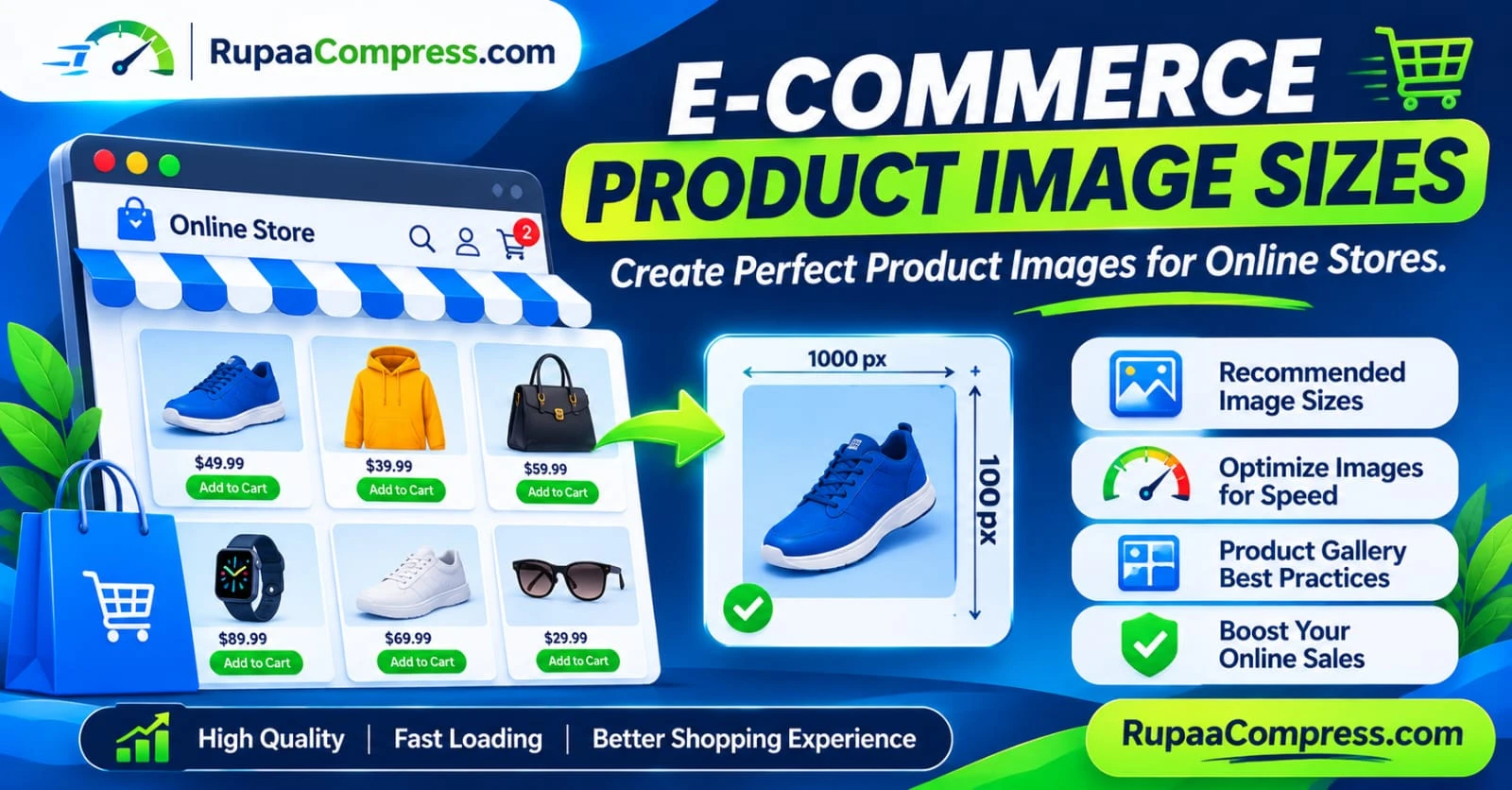
Product images should also be optimized for website performance. Large image files can increase loading times, particularly for customers using mobile connections.
Before uploading your product photographs, resize them to suitable dimensions and compress them without making important product details difficult to see.
You can use a browser-based image compression utility such as the one available at RupaaCompress to prepare product images for your online catalog.
How to Compress Product Images for E-Commerce Websites
Step 5: Set Up Secure Payment Methods
Payment processing is an essential part of an online dropshipping business.
Customers need a reliable way to pay, while you need a payment method that allows you to receive funds and pay suppliers.
Common payment methods include:
- Credit and debit cards.
- PayPal, where available.
- Local payment gateways.
- Bank transfers.
- Cash on delivery, where supported.
- Other locally supported digital payment methods.
Remember that Visa and Mastercard are card networks, not standalone payment gateways. A payment processor or gateway handles the actual transaction.
When choosing a payment provider, investigate:
- Supported countries.
- Account verification requirements.
- Transaction fees.
- Currency conversion charges.
- Settlement times.
- Refund and chargeback procedures.
- Supported e-commerce integrations.
For example, entrepreneurs operating from Sri Lanka should verify the payment provider’s current merchant-country eligibility and settlement arrangements before building their business around a particular gateway.
Do not register using false business addresses or another person’s financial information to bypass country restrictions.
Also, understand your cash flow. A customer may pay today, but your payment provider may not release the funds immediately. Your supplier might require payment before shipping.
This means even an inventory-free business can require working capital.
Step 6: Promote Your Products Using Free Marketing Channels
When your advertising budget is zero, organic marketing becomes particularly important.
Instead of paying for advertisements, invest time in creating useful content and reaching people who are interested in your products.
TikTok: Create short product demonstrations, comparisons and educational videos.
Instagram Reels: Share product photographs, demonstrations and practical use cases.
Facebook Groups: Participate in relevant communities and share useful information while following each group’s promotional rules.
Pinterest: Publish attractive product images and helpful guides that link to your store.
SEO Blog Content: Write articles answering customer questions related to your products.
For example, if you sell travel accessories, you could publish articles about organizing luggage, choosing travel bags and preparing for international trips.
This approach helps attract people who are already interested in the problems your products solve.
Organic marketing is not completely free in terms of time. It can also take time to build an audience and generate consistent visitors.
Dropshipping Startup Costs: What Can Be Free and What May Cost Money?
One of the biggest misconceptions about dropshipping is that you can operate a complete business without spending anything.
Although you can avoid purchasing inventory upfront, other expenses may still apply.
The following table explains common startup requirements.
| Business Requirement | Can It Be Free? | Possible Costs |
|---|---|---|
| Product research | Yes | Optional research subscriptions |
| Supplier discovery | Often | Supplier or platform fees |
| Product inventory | Yes, upfront inventory can be avoided | Product cost after an order |
| Website creation | Sometimes | Hosting, domain and subscriptions |
| Product marketing | Yes | Optional advertising |
| Product photography | Sometimes | Samples and photography equipment |
| Payment processing | No, transaction fees usually apply | Processing and conversion fees |
| Shipping | Usually paid per order | Supplier shipping charges |
| Customer support | Yes, if managed personally | Software or outsourcing |
| Refund management | No guaranteed free solution | Refunds and return shipping |
Your actual expenses depend on your business model, supplier agreement and target market.
A realistic zero-budget approach is to avoid unnecessary fixed costs, validate customer demand and reinvest available revenue carefully.
How to Calculate Dropshipping Profit Before Selling
Revenue and profit are not the same.
Before listing a product, calculate whether the selling price leaves enough money to cover all business expenses.
Consider this example:
| Item | Example Amount |
|---|---|
| Customer selling price | $30 |
| Supplier product cost | $15 |
| Supplier shipping cost | $3 |
| Payment processing | $1 |
| Other operating costs | $2 |
| Estimated remaining amount | $9 |
In this simplified example, the remaining amount is $9 before any additional taxes, refunds, chargebacks or other expenses not included above.
Use this formula:
Estimated Profit = Selling Price − Product Cost − Shipping − Payment Fees − Other Expenses
Do not choose products based only on the difference between wholesale and retail prices.
Consider the possibility of delayed deliveries, damaged products, refunds and changing supplier prices.
A product with a large apparent markup may still produce a poor business result if its fulfillment costs are high.
Important Challenges of Starting a Dropshipping Business
Dropshipping reduces the need for inventory storage, but it does not remove all business risks.
Supplier reliability: Your reputation depends partly on the supplier’s ability to deliver the correct product on time.
Product quality: You may not physically inspect every product before it reaches the customer.
Shipping delays: International shipping can take longer than expected because of customs, logistics and carrier issues.
Competition: Other sellers may offer identical products at lower prices.
Cash flow: You may need to pay the supplier before your payment processor releases customer funds.
Returns and refunds: Customers generally contact your store when something goes wrong, even if the supplier caused the problem.
Legal responsibilities: You must understand the consumer protection, tax, product safety and business registration requirements that apply to your selling and shipping locations.
For example, US sellers should review the FTC’s shipping disclosure and refund requirements. Other countries have their own rules.
These challenges make supplier verification, transparent communication and realistic financial planning essential.
Common Dropshipping Mistakes Beginners Should Avoid
Avoid these mistakes when building a low-budget online business.
- Expecting completely free operations: Dropshipping removes inventory purchases, not every business expense. Fix: Prepare a basic operating-cost plan.
- Choosing suppliers without verification: Unreliable suppliers can damage your reputation. Fix: Check product quality, delivery performance and return conditions.
- Selling too many unrelated products: A general store can make it difficult to build a recognizable audience. Fix: Begin with a focused niche.
- Ignoring payment settlement times: Supplier payments may become due before customer funds reach your account. Fix: Understand payment settlement schedules and maintain a small cash reserve when possible.
- Making unrealistic delivery promises: Unexpected delays can create complaints and refund requests. Fix: Publish realistic delivery estimates.
- Copying supplier descriptions: Generic descriptions rarely explain why customers should choose your store. Fix: Write accurate, original descriptions that explain product benefits.
- Ignoring refunds and customer support: A supplier may ship the product, but you remain responsible for resolving customer problems. Fix: Establish clear support and refund procedures.
- Spending money on unnecessary tools: Multiple subscriptions can consume a limited budget. Fix: Start with essential free tools and upgrade only when needed.
Frequently Asked Questions (FAQ)
1. Can I start dropshipping with literally zero money?
Starting without upfront inventory investment is possible, but operating a complete business with absolutely no money is difficult. Websites, payment processing, supplier orders and refunds may require funds. You can reduce initial expenses by using free marketing channels, social media storefronts and suppliers without mandatory monthly fees.
2. How do dropshipping suppliers deliver products to customers?
When a customer places an order, the store owner forwards the order information to the supplier. The supplier prepares the product, packages it and ships it directly to the customer’s address. The store owner normally manages customer communication, delivery updates, refunds and other service-related responsibilities.
3. Do I need Shopify to start a dropshipping business?
No. Shopify is one option, but it is not compulsory. You can explore WooCommerce, other e-commerce platforms, social media storefronts and suitable marketplaces. Each option has different costs, features and limitations, so choose one that supports your payment methods and supplier workflow.
4. How do I find reliable dropshipping suppliers for free?
You can research manufacturers, wholesalers and supplier marketplaces without immediately purchasing a subscription. Review supplier history, product specifications, shipping arrangements and return policies. Contact suppliers directly and ask whether they support individual order fulfillment. Always verify important details before accepting customer orders.
5. How do I accept secure payments for a dropshipping store?
Choose a reputable payment processor that supports your business location and preferred currency. Check verification requirements, transaction fees, settlement times and refund procedures. Use HTTPS, secure checkout integrations and strong account protection. Never collect or store customers’ card details manually.
6. Is dropshipping legal, and do I need a business registration?
Dropshipping is generally a legal fulfillment method, but businesses must follow the laws that apply to their markets. Requirements vary by country and product category. Depending on your location, you may need business registration, tax compliance, product certifications and appropriate consumer protection policies.
Conclusion
Learning how to start dropshipping with no money can help you explore e-commerce without purchasing inventory upfront. Begin with a focused niche, find reliable suppliers, establish secure payment methods and promote your products through free marketing channels. Remember that supplier payments, refunds and operating expenses still matter. Start small, validate demand and build your business around reliable customer service.